What are steel hand stamps used for?
Steel hand stamps are used to create permanent marks on metal, plastic, leather, wood, and other manufacturing materials. Commonly, steel hand stamps are used to mark serial numbers, batch codes, inspection marks, and logos on products for identification purposes.
What materials can steel hand stamps mark?
Steel hand stamps can mark a wide range of materials including aluminum, steel, stainless steel, brass, copper, plastics, leather, and wood. Depending on the material, you may require heavier duty stamps.
What is the difference between Standard, Heavy Duty, Low-Stress, and Reverse steel hand stamps?
- Standard steel stamps are the best for general marking applications.
- Heavy duty hand stamps are used to mark tougher materials.
- Low stress stamps create marks with reduced material displacement. This is the most useful when you want to minimize stress on the product being marked.
- Reverse stamps are used when the mark needs to appear correctly after being impressed into another surface or material.
When should I use Low Stress steel hand stamps?
Low Stress steel hand stamps are best used when you're concerned about surface stress, cracking, or material distortion. This is great for industries that rely on part integrity and traceability.
What are Reverse Steel Hand Stamps used for?
Reverse steel hand stamps are used to create mirrored impressions. If you have a stamped mark that needs to be read correctly after being transferred, molded, cast, or impressed onto another material.
Are Steel Hand Stamps used for permanent part marking?
Yes. Steel hand stamps are designed to create permanent marks used for part identification, traceability, inspection, and quality control. They are a reliable option for marking components, tools, small equipment, and manufactured products.
What size steel hand stamp should I choose?
The right stamp size depends on the size of the part, amount of surface space available, and how visible the mark has to be. Smaller stamps are great for smaller parts and detailed identification, while larger stamps create more visible marks on larger surfaces.
Can I buy individual steel hand stamp characters?
Yes you can. Individual hand stamp characters are available for replacing worn out or missing characters, expanding an existing set, or building a custom marking setup for specific letters, numbers, or symbols.
Can I use a regular hammer for metal stamping?
Yes you can use a regular hammer for metal stamping with Pryor Technology's Metal Hand Stamps. In some cases it’s advisable to use a Brass headed hammer or a hammer made from a softer metal. This lowers the chances of damaging the stamp. Unlike cheaper alternatives, all our Metal Stamps are heat treated and Nikel Plated for Corrosion resistance and to make them hard wearing and designed to last. This means using a special hammer for your metal stamping is not required.
Which is better? Engraving or Scribing?
There are positives to both Stamping and Engraving. Stamping is very durable and Engraving or scribing metal is more customizable. Which is better, Stamping or Engraving/Scribing entirely depends on your application.
What metal is easiest to stamp? How hard is it to stamp metal?
Pewter, silver alloy, sterling silver and aluminum are all easy to stamp with Pryor Technology's Hand Held Stamps and should mark fairly consistently with 1 strike with a 1lb hammer. Brass, copper and nickel silver are harder to mark, but not too difficult, and steel and stainless steel will require a larger hammer or harder strike to mark consistently.
How do I hand stamp jewelry?
- Choose your metal: Soft metals like copper, aluminum, and brass are ideal for beginners.
- Select your stamp: Choose stamps with clear, deep engravings.
- Prepare your metal: Clean and polish your metal to ensure a smooth surface.
- Position the stamp: Place the stamp where you want the impression.
- Hammer the stamp: Use a hammer to strike the back of the stamp, gently pressing the design into the metal. (we recommend using a Safety grip to safeguard your fingers.
- Repeat: Continue stamping until you achieve your desired design.
- Finish: Clean and polish your jewelry to remove any marks from the stamping process.
Tips:
- Use a metal block or anvil to protect your workspace.
- Practice on scrap metal before stamping your final piece.
- Experiment with different hammering techniques to achieve various effects.



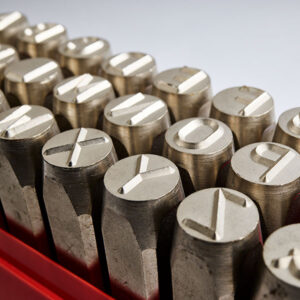 Metal Hand Stamps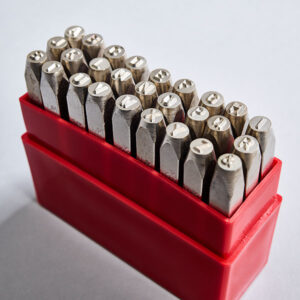
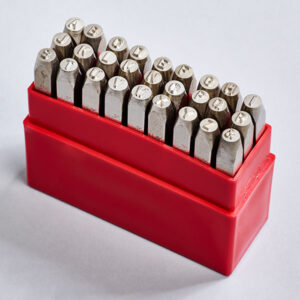 Metal Hand Stamps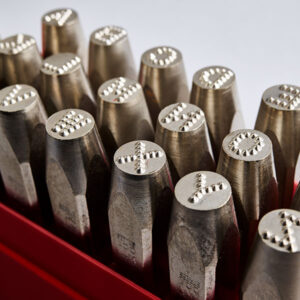
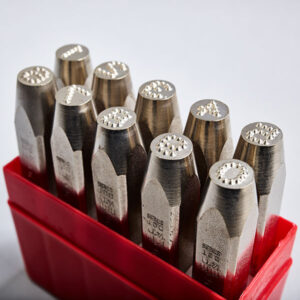 Metal Hand Stamps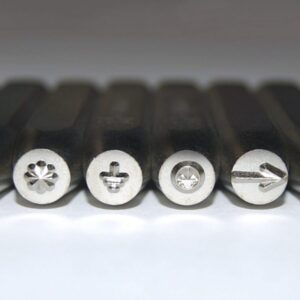
 Metal Hand Stamps